Team Office Folsom: Right-Sizing a 3–15 Seat Space

A 3–15 person team should usually choose a private office in Folsom for the desks needed today plus a modest growth buffer, not for its most optimistic 18-month headcount. For many teams, that means starting with three to six desks, moving toward six to ten as attendance becomes consistent, and using shared meeting rooms instead of paying for unused conference space. The right calculation depends on who is physically present, how often people need privacy, and whether growth is planned or merely hoped for.
I’ve walked founders through this decision enough times to know the spreadsheet is rarely the hard part. The hard part is separating the seats a team needs every day from the seats it might need later, especially for companies based in Folsom, El Dorado Hills, Rancho Cordova, and the Hwy 50 AI Corridor.
How do you turn a team’s headcount into a desk plan?
Start with daily attendance, not total payroll. A team of eight people does not automatically need eight desks if three members work remotely most of the week, travel regularly, or spend much of their time with clients.
The first question I ask is simple: On a normal Tuesday, how many people will actually sit in the office at the same time? That number is your operating headcount. Then add a small buffer for hiring, visitors, contractors, or the occasional day when everyone shows up.
Here is the planning framework I use with small teams:
| Team headcount today | Desks to plan for | Reasonable growth buffer | Meeting room need |
|---|---|---|---|
| 3 people | 3–4 desks | 0–1 additional seat | 4–6 person meeting room as needed |
| 4–6 people | 5–7 desks | 1 additional seat | 6–8 person meeting room periodically |
| 7–10 people | 8–10 desks | 1–2 additional seats | 8–12 person meeting room for team sessions |
| 11–15 people | 11–15 desks, depending on attendance | 1–2 additional seats | 10–15 person meeting room for larger sessions |
This is not a real estate formula. It is a way to avoid paying for capacity that does not support the work happening now.
The distinction is especially important for distributed teams. The Bureau of Labor Statistics’ 2025 annual telework table counted 35.389 million people who teleworked or worked at home for pay during the year. That does not tell you how many desks your team needs, but it does reinforce the planning question: how often will each person actually use the office?
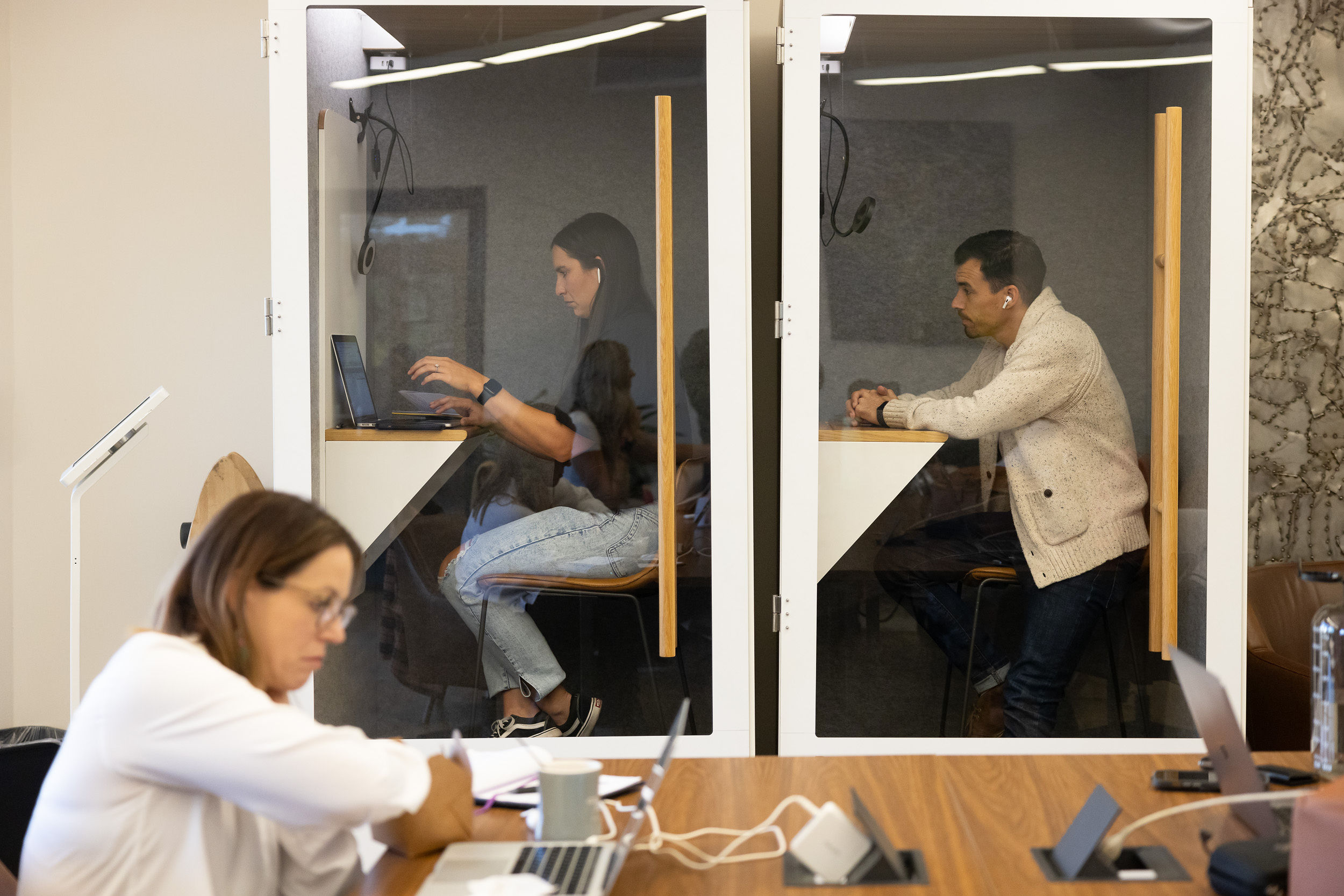
For teams comparing coworking, a private office, a traditional lease, and working from home in Folsom, our comparison of coworking, private office, leases, and working from home in Folsom provides the broader decision framework. This article is narrower: once you know you need a private office, how much office should you take?
What should a 3–15 person team office include?
A good team office supports daily work without trying to duplicate every function of the building. Desks, secure storage, reliable connectivity, and enough room to move matter more than an oversized table that gets used twice a month.
For a three-person team, the office should feel comfortable at full attendance. If three people are shoulder-to-shoulder with nowhere to put bags, screens, or documents, the office is already too small.
For a team of four to six, I usually look for enough room to add one workstation without rebuilding the layout. That extra seat helps with the next hire, a visiting executive, or a contractor.
For seven to ten people, layout matters as much as seat count. Can people move in and out without interrupting calls? Is there enough separation between focused work and spontaneous conversation?
Granite City currently publishes furnished private offices for teams of one to ten, with month-to-month terms and shared amenities. That makes a smaller private office practical for a company that wants a door and a stable home base without building a full standalone office. Teams planning for eleven to fifteen people should treat the ten-seat mark as a decision point and confirm the right configuration rather than assume a specific office is available.
A private office in Folsom can also make sense for a team whose members live in different parts of the region. A private office in El Dorado Hills may be closer for some employees, while a Folsom location may better connect a distributed team across Rancho Cordova and the Hwy 50 AI Corridor. The best location is the one that the core team will actually use.
How much growth buffer should a small team office carry?
A small team office should usually carry one or two extra seats, not an entire future department. The buffer should protect the team from immediate friction while keeping the office connected to current usage.
A five-person team does not need a fifteen-seat office because the hiring plan says fifteen. Just as important, a six-person team should not squeeze into four seats if a new hire or client visit will immediately break the setup.
I prefer a buffer tied to a trigger:
- One extra seat when the next hire is approved and expected soon.
- Two extra seats when recruiting is active and the team is already using every desk.
- A larger move when attendance stays above current capacity for several weeks.
That repeated pattern matters more than one busy week. Look for people regularly waiting for desks, packing equipment away, or moving meetings into unsuitable areas.
JLL’s analysis of the flexible office space imperative reports global office utilization averaging 54% against a 79% corporate target. The broader lesson is useful for small teams: planned capacity and actual use are often different. Right-sizing is not about finding the smallest possible office. It is about avoiding a permanent commitment to space that sits unused.
When should meeting-room needs change the office plan?
Meeting rooms should change your office plan when the team needs them frequently, not simply because the team may someday host a large meeting. Keep everyday desks in the private office and use a meeting room for work that genuinely requires a larger table, presentation setup, or separation from daily production.
A team of three may need a private office for confidential calls but only an occasional four-person meeting room. A team of ten may still need a private office sized for desks rather than a fifteen-person table if all-hands meetings happen once a month.
I ask three questions:
- How often will the full team meet in person?
- Will clients, candidates, or partners join those meetings?
- Does the meeting require a display, whiteboard, hybrid call setup, or additional privacy?
If the answer is “occasionally,” shared meeting-room access is usually more sensible than sacrificing several desks to build a permanent internal meeting area. If the answer is “every day,” the team may need a different layout or a larger private office.
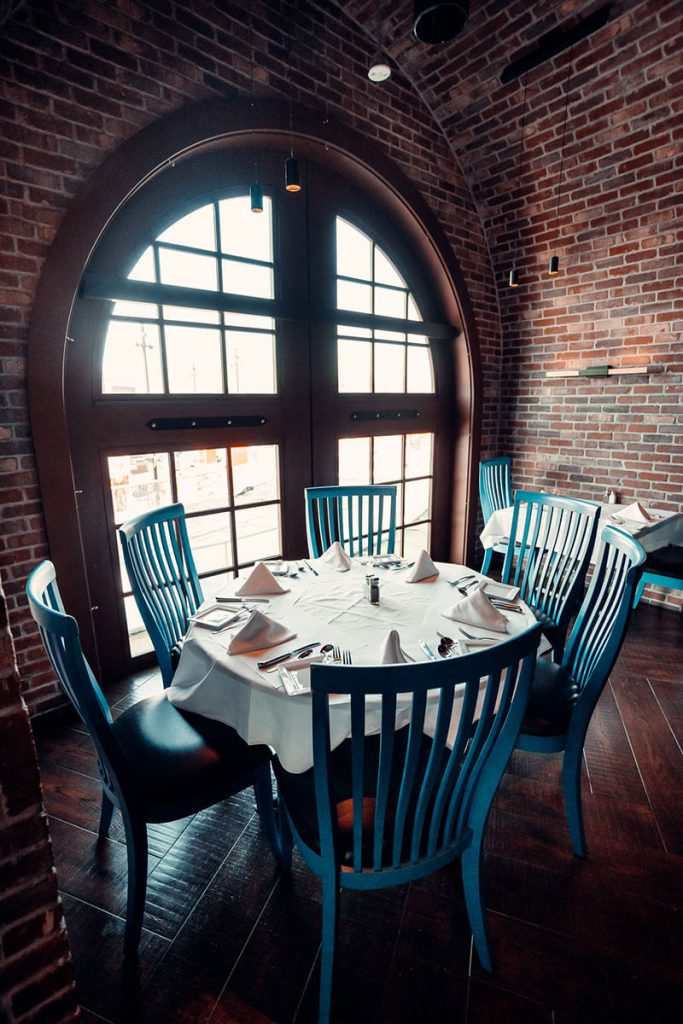
Before you choose a room, review our guide to choosing a meeting room in Folsom for a strategic offsite. It covers the practical details teams often miss, including privacy, technology, room flow, and the difference between a room that merely holds people and one that supports useful decisions.
What should a team check before choosing a Folsom office?
A team should check the real daily workflow, the growth trigger, the meeting-room plan, and the terms that allow the office to change. The office should solve an operating problem without creating a new financial or logistical one.
A team searching for a private office rental in Sacramento may be comparing traditional offices, serviced offices, and a small team office in Folsom. The important comparison is not just monthly cost. It is the total amount of unused capacity, setup work, management time, and moving friction attached to each option. People searching for shared office space in Folsom often start with a broad need: “We need somewhere professional for the team.” The better question is more specific: “What work must happen behind our own door, and what can happen elsewhere in the building?”
For a workspace in Historic Folsom, a team needs enough privacy, consistency, and room to work without paying for an empty future. If you are comparing configurations, review Granite City’s private office options and use the current office details as the starting point for a conversation about fit.
What else should a growing team ask before choosing an office?
Is a private office better than a larger coworking membership for a three-person team?
A private office is usually the better fit when the team needs a door, confidential calls, secure materials, or a consistent place to work together. A larger coworking membership may be enough when attendance is inconsistent and privacy is occasional.
How many extra desks should a small team reserve for growth?
Most small teams should start with one or two extra seats rather than paying for their full projected headcount. Add more capacity when hiring is approved or current attendance repeatedly exceeds the available desks.
Should a team office include its own meeting table?
Only if the team uses that table frequently enough to justify the space it takes. For occasional larger meetings, a shared meeting room can preserve more useful desk capacity inside the private office.
What should a distributed team in California prioritize when choosing an office?
A distributed team should prioritize actual attendance, reliable connectivity, privacy, meeting-room access, and flexible terms. The best office is the one that supports the local team’s recurring work without being sized around an unconfirmed hiring plan.